
What is Agricultural Waste Pulp?
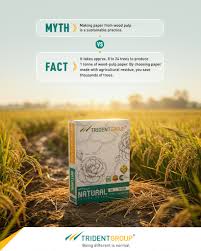
Agricultural waste pulp is a sustainable paper fiber that manufacturers make from leftover farming residues, including wheat straw, rice husks, and sugarcane bagasse. Factories process these materials into high-quality pulp instead of sending them to landfills or burning them. This method cuts reliance on wood pulp and reduces agricultural waste at the same time. As a result, it builds a circular solution for both farming and paper industries, and it works perfectly for eco-friendly gift box production.
How It Is Made
Manufacturers produce agricultural waste pulp through a clean, efficient process that protects fiber quality. First, teams collect and sort farming residues to remove impurities. Next, workers pulp the residues with mechanical or eco-friendly chemical methods to separate fibers gently. After that, producers refine the pulp to match the strength and smoothness of wood-based pulp. Ultimately, this processed fiber serves as a reliable raw material for gift box manufacturing.
Key Advantages
Agricultural waste pulp brings multiple benefits over traditional wood pulp for paper making. Firstly, it cuts deforestation risks and preserves forest resources for other uses. Secondly, it lowers carbon emissions and cuts down on agricultural waste. Additionally, it creates durable, printable paper that suits premium gift box designs. For brands, this means high-quality gift box products with a much smaller environmental footprint.
Quality Performance for Packaging Applications
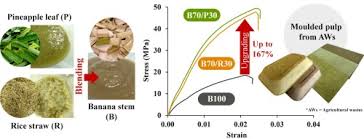
Many people wonder if agricultural waste pulp matches wood pulp’s quality, and it meets strict packaging standards easily. The refined fibers deliver good stiffness and printability, which work perfectly for branded gift box designs. Moreover, producers can adjust thickness and texture to fit different gift box needs. In short, it offers professional performance without breaking sustainability goals.
Sustainability and Circular Economy Impact
Using this aligns fully with global circular economy and ESG targets. It repurposes waste that would otherwise pollute or fill landfills, and it closes the resource loop. Besides, it uses less water and energy than traditional wood pulping in most cases. As a result, packaging makers can offer fully sustainable gift box options to eco-conscious consumers.
The Future of Sustainable Paper Fiber
Demand for eco-friendly packaging keeps rising, so agricultural waste pulp will become a mainstream raw material in the paper industry. It solves two key problems at once: managing agricultural waste and producing sustainable paper. Moving forward, it will reshape premium gift box manufacturing and make green fiber accessible for all gift box lines. This innovation proves sustainability and practicality can work hand in hand.